
Photo by David Trinks on Unsplash
The beautiful blooms on my bigleaf hydrangeas this year were the direct result of my not doing something stupid. More precisely, they were the result of my not repeating the mistake I made several seasons ago. This year, I listened to the experiences of others, read the established guidelines, and took a more strategic approach to pruning. Instead of hacking away at every branch, I carefully removed only the dead wood that had no blooms.
The result of that course change was a set of shrubs covered with large blue flowers.
Spoiler alert: my course correction with these hydrangeas is not all that different from the course correction in many popular movie plots.
In Cloudy with a Chance of Meatballs, Flint’s food machine creates problems for the community. Once Flint recognizes the danger and understands that his “solution” has become part of the problem, he takes steps to make things right.
A similar story arc appears in Footloose. Reverend Moore eventually recognizes that the ban on dancing is creating, rather than preventing, problems for the town. He then changes course and allows young people more freedom.
Mayor Vaughn in Jaws offers another example. He keeps the beaches open, hoping to protect the town’s economy. After another shark attack, he finally changes course and gives Chief Brody permission to go after the threat.
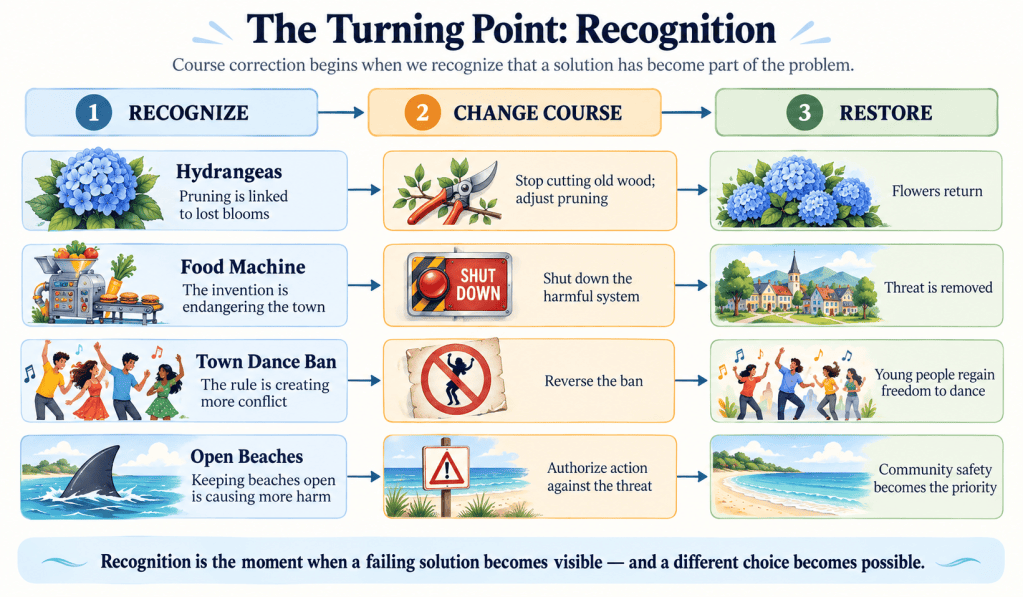
The turning point in each of these storylines is the recognition stage.
I had to recognize that my pruning was causing the lack of flowers before I could restore the blooms. Flint had to accept that his machine had become dangerous before he could shut it down. Reverend Moore and Mayor Vaughn had to see that their decisions were contributing to the problem before they could help restore order.
The recognition stage is also the turning point in larger real-world examples of course correction.
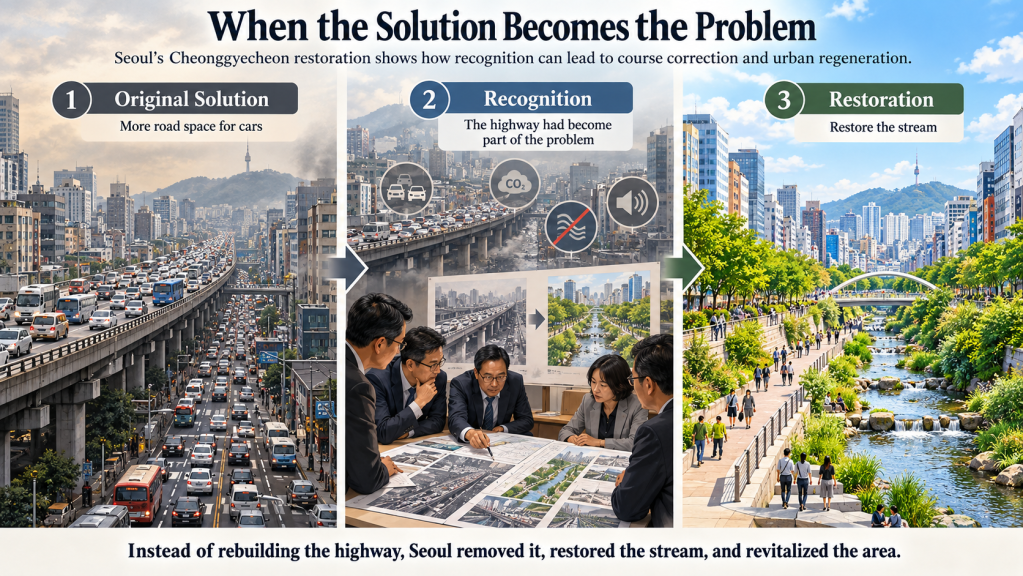
Background: Seoul Urban Solutions and World Bank case study
City planners in Seoul had to identify the problems created by an earlier solution before they could begin the Cheonggyecheon restoration in the early 2000s. Covering the stream with concrete and building an elevated roadway solved an immediate need for more space for cars. But over time, the project became associated with congestion, pollution, a deteriorating roadway, and the loss of the stream itself. In response, the city removed the elevated highway, restored the stream, altered sewage and drainage systems, and added landscaping and pedestrian space.
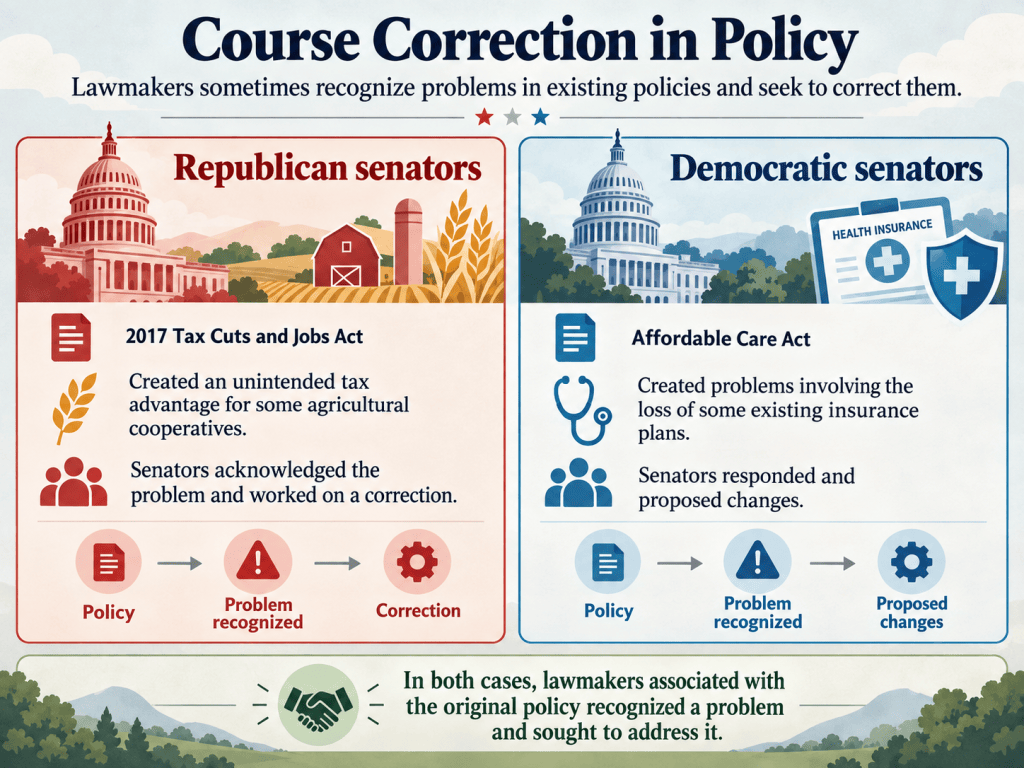
Recognizing problems in a policy and attempting to correct them is not new for lawmakers. Republican senators acknowledged that the 2017 Tax Cuts and Jobs Act created an unintended tax advantage for some agricultural cooperatives and worked on a correction. Democratic senators also responded when the Affordable Care Act created problems involving the loss of some existing insurance plans, and they proposed changes. In both cases, lawmakers associated with the original policy recognized a problem and sought to address it.
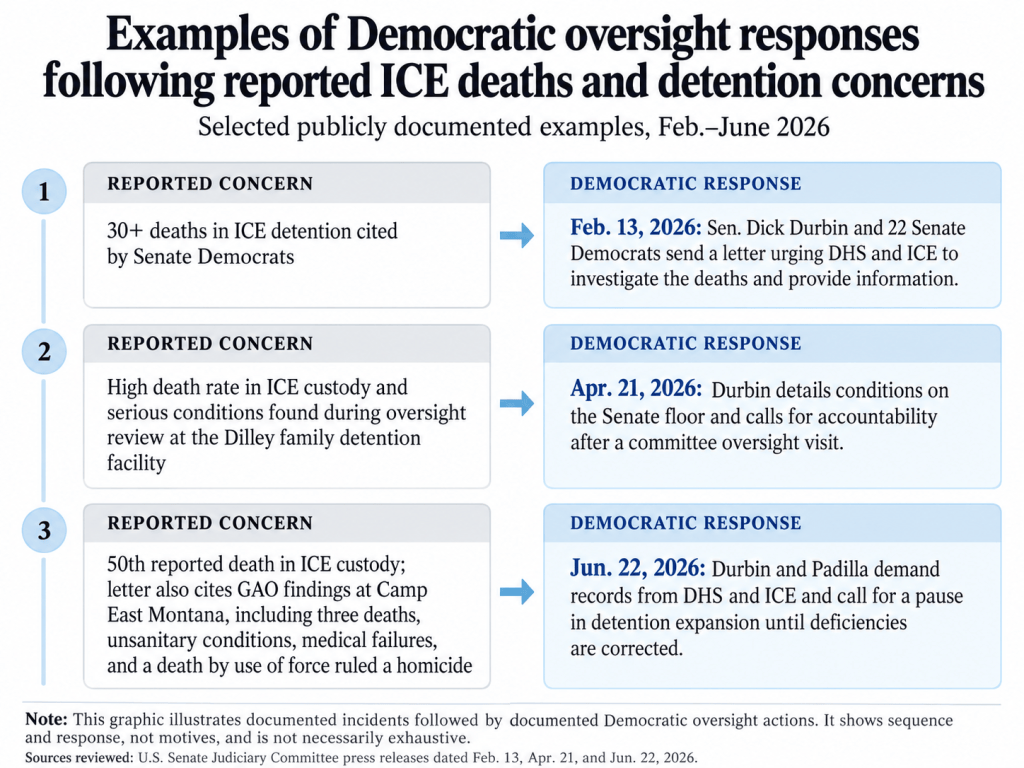
Sources: Feb. 13 · Apr. 21 · Jun. 22, 2026
In the recent problems with ICE, however, it was the Democrats that demonstrated a willingness to recognize the policy’s problem. After the July ICE shootings, 38 of 45 Democratic senators signed a July 20 oversight letter. In a tally of separate public responses compiled for this article, only 8 of 53 Republican senators voiced concern, and just 2 took formal action. In this instance, Democratic senators initiated course correction by responding and calling for oversight and changes.
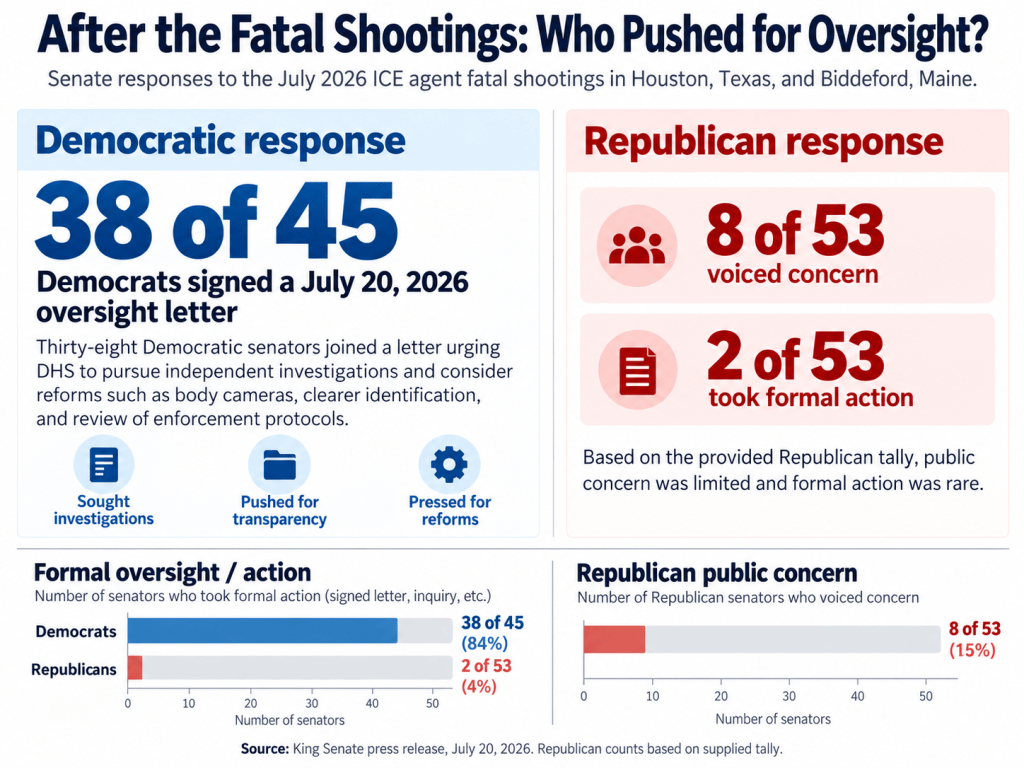
July 20 oversight letter: Sen. Angus King press release
If I had never recognized the connection between my pruning and the lack of flowers, I would still be mindlessly hacking away at the stems and wondering why nothing bloomed. Flint, Reverend Moore, and Mayor Vaughn all had to recognize that their original choices were causing harm before anything could improve.
Recognizing the problem is key. A solution cannot be corrected if no one is willing to admit that it is not working. And that seems worth remembering as lawmakers confront much larger problems today—from affordability to the continuing questions surrounding the war in Iran. Before we can change course, we first have to be willing to recognize when the course we are on is not getting us where we intended to go.
Explore Anchored & Aimless
Start Here | Design | Maintenance | Challenges | Upgrades
View All Posts | Subscribe | YouTube | Instagram
Useful garden links: Clemson Extension hydrangea pruning guide | Fiskars PowerGear2 bypass pruner


Leave a comment