I’ve grown zinnias before. I know how easy they are to grow from seed and how gorgeous they can be during their midsummer bloom. For about two dollars, a packet of seeds can produce an abundance of cheerful summer flowers.
The problem with zinnias is that their height does not fit every garden.
I knew that when I planted the seeds. Because zinnias can grow tall, I specifically bought a dwarf variety. My grow boxes are designed mostly for low-growing plants, and the seed packet promised that these zinnias would grow only 6-8 inches tall.
They couldn’t have been more wrong.
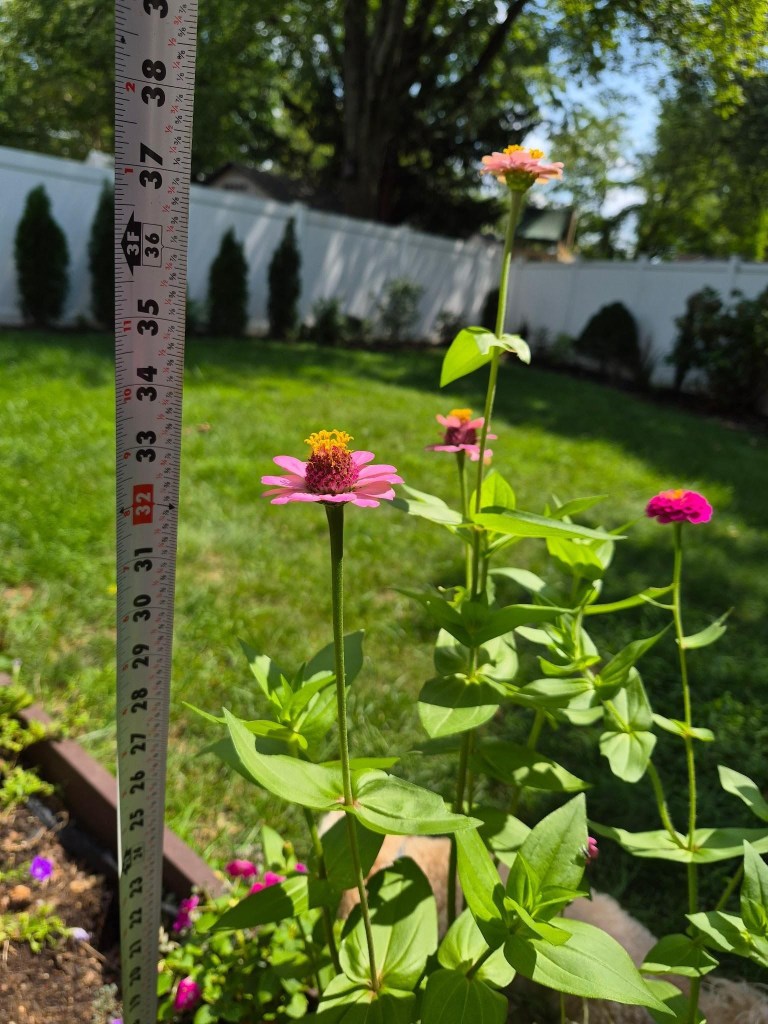
My “dwarf” zinnias grew to 37 inches.
That is significantly taller than advertised – a completely different plant for the space I had planned. And I’m not the only gardener who has had this experience. When I finally went back and read the reviews, another gardener reported that her supposedly 6-8-inch Thumbelina zinnias had already grown past 16 inches.
I should have read the reviews.
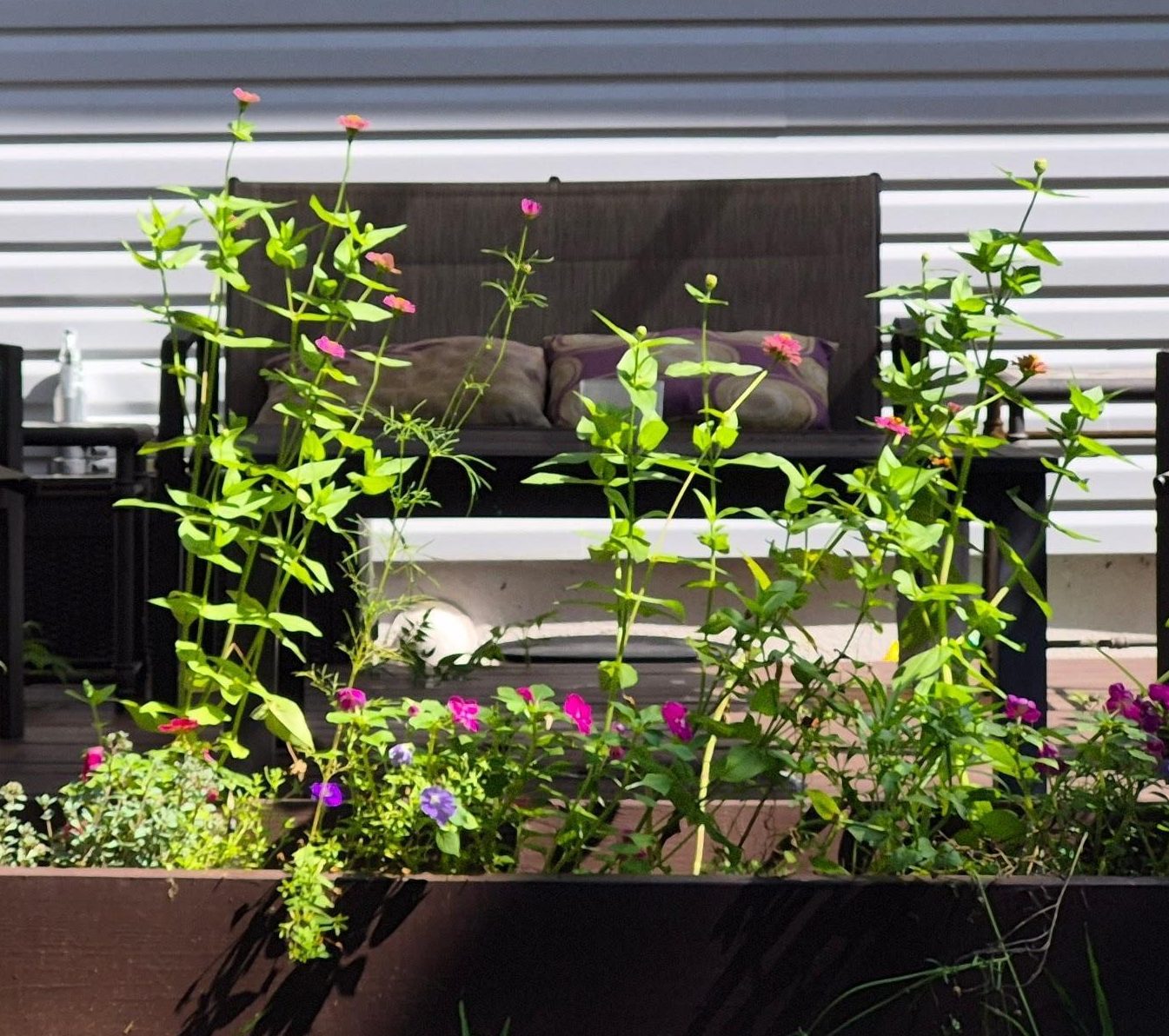
By midsummer, my zinnias were towering over the grow box. They were blocking sunlight from the petunias, impatiens, and mini roses planted beside them. And, just as important to me, they simply didn’t look right.
So I decided to move them.
I hated the idea. Moving annuals in midsummer can be stressful for them, and these zinnias were healthy and blooming beautifully. I didn’t want to damage them just because they had grown in the wrong place. But I didn’t want to leave them there, either. They were shading my other plants.
The plan was to move them during a stretch of cooler, cloudier weather and water them shortly beforehand so the root balls would stay moist and intact. I wanted to dig out as much of each root ball as possible, move the plant immediately, and water it well afterward.
That was the plan.
The actual transplanting was not as gentle as I had hoped. The grow box was crowded. As I worked around the zinnias, I occasionally pulled up some of the roots from the smaller petunias and impatiens growing beside them. I quickly pressed those plants back into the soil and kept working.
Eventually, I was able to free the zinnias and one cosmos with reasonably large root balls and move them to their new location near the taller plants at the end of the grow box.
Watch the transplanting video.
Things looked bad.
There were a few immediate casualties. Some stems became so badly creased during the move that I knew they were not going to recover.
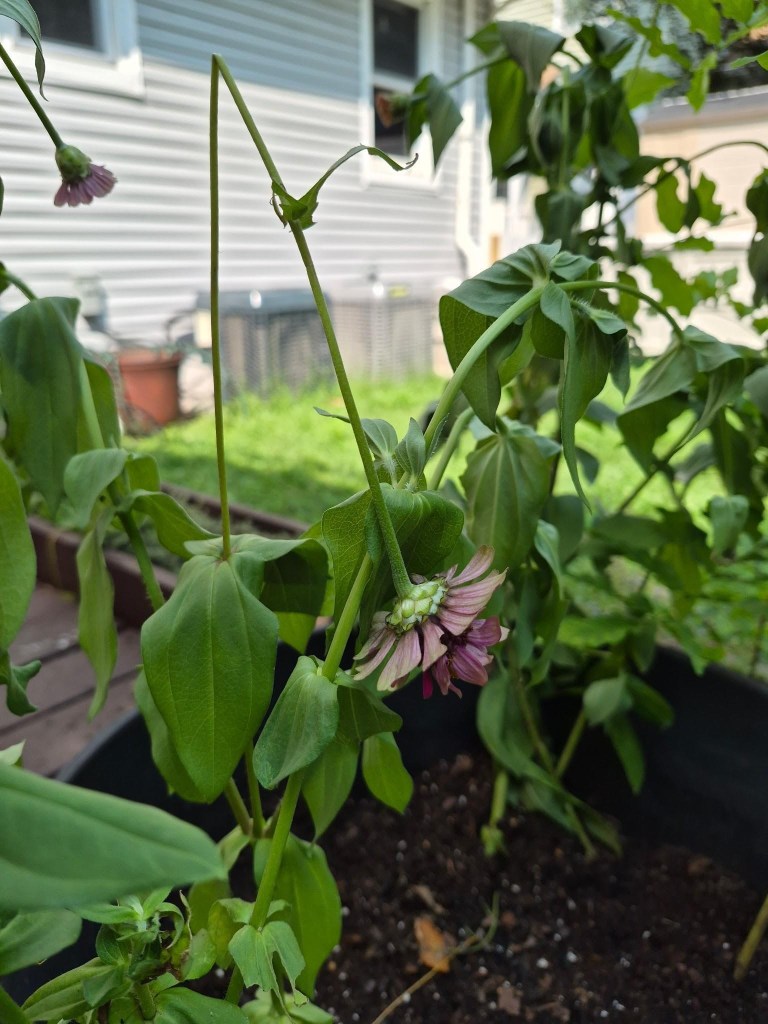
The rest of the plants wilted dramatically over the next several hours.
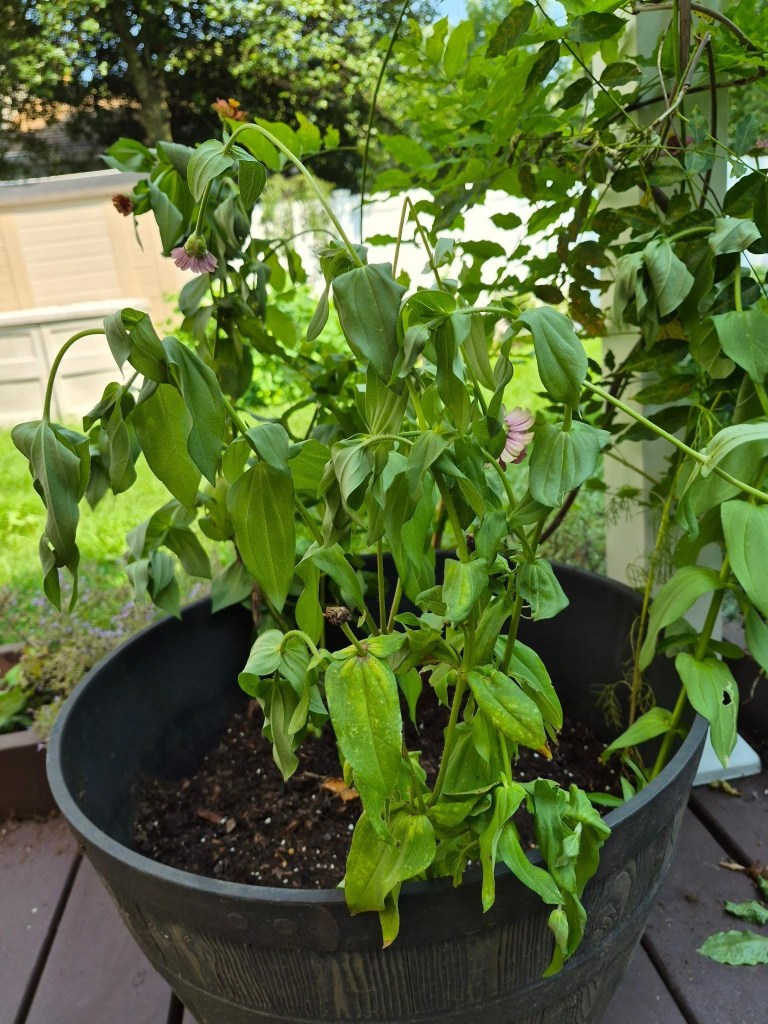
I felt terrible.
The morning had been cool, but by noon the sun was strong. I tried to find a way to shade the newly transplanted zinnias. At one point, I even attempted to hang my yoga mat from the pergola to create some temporary shade.
That did not work.
So I kept the plants watered and lightly sprayed them several times during that first hot afternoon while I waited to see what would happen.
By the next day, most of them had come back. Even the badly wilted plants had lifted themselves again.
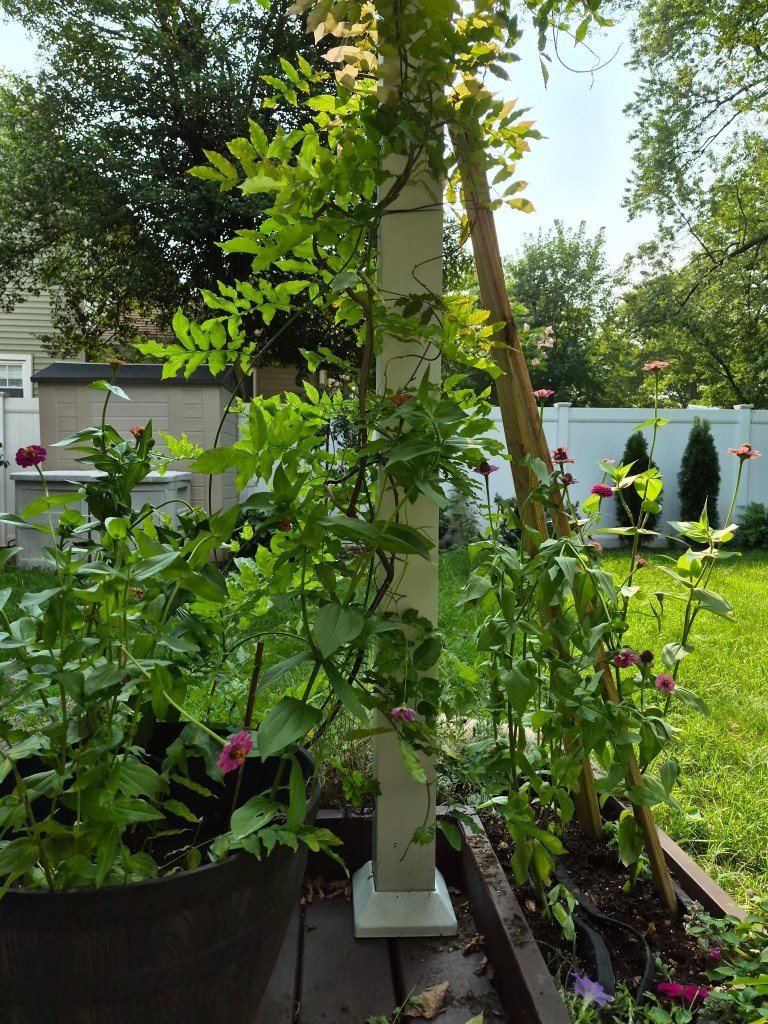
And suddenly, the whole experiment looked much more successful.
The zinnias looked better beside the taller plants, where their height made sense. Just as importantly, the original section of the grow box looked better too. The petunias, impatiens, and mini roses were visible again instead of sitting underneath three-foot-tall zinnias.
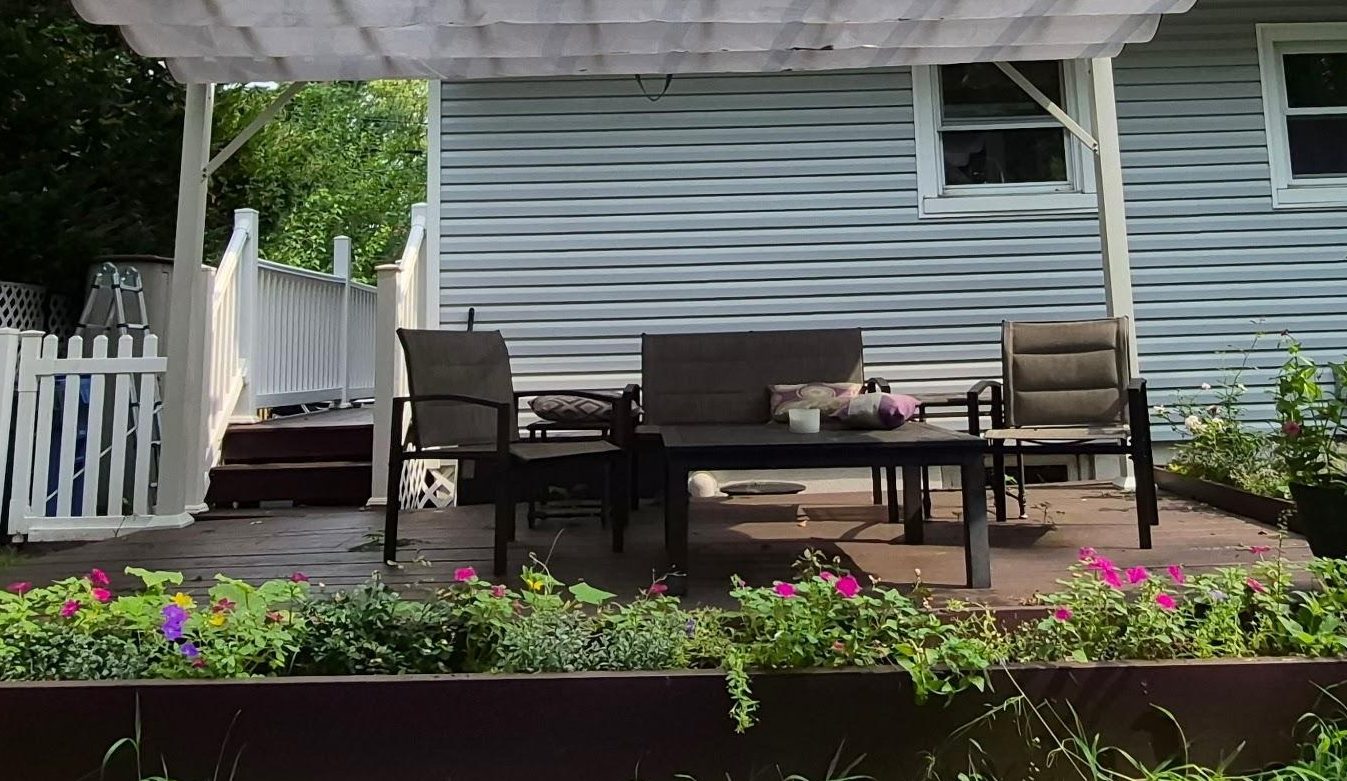
I’m glad I moved them. I did lose a few flowers, but most of the plants survived, and the smaller plants now have the opportunity to fill in that space.
Would I buy another packet of “dwarf” zinnia seeds? Probably not. I can still find dwarf zinnia seeds marketed as compact plants. After this experience, I’m skeptical.
I’d love to hear from gardeners who have grown truly dwarf zinnias. Have you ever actually had zinnias stay 6-8 inches tall?
Thank you for reading. If you’d like to follow along with this garden journal, subscribe to Anchored & Aimless. You can also explore more Challenges posts or view all posts.
Explore Anchored & Aimless
Home | Start Here | Design | Maintenance | Challenges | Upgrades | View All Posts | Subscribe
Follow Anchored & Aimless: YouTube | Instagram
All garden photographs and video in this post are by the author, Annaliese Degrassey.


Leave a comment